Famous Italian Americans – Sicilian and Neapolitan – Sinatra Bellino Pacino

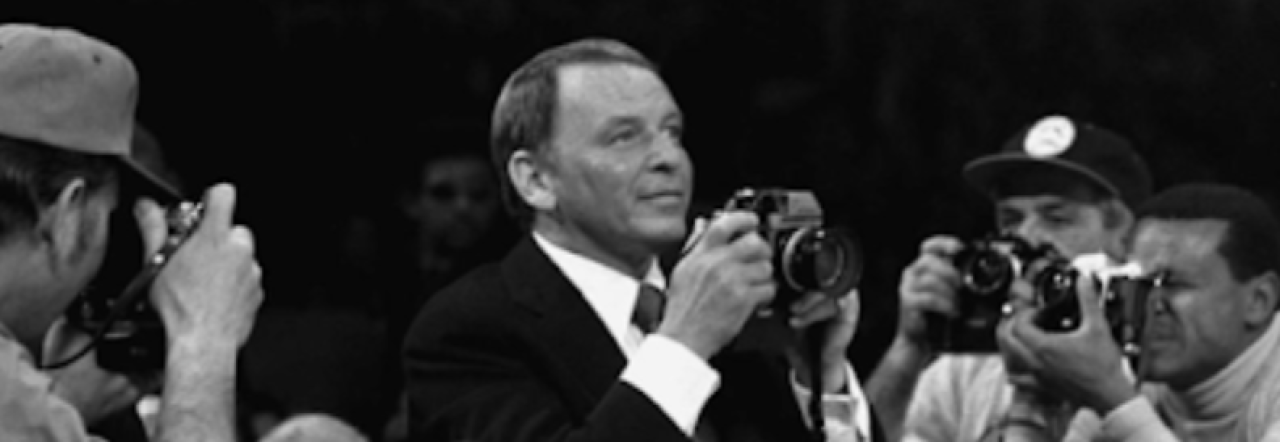
FRANCIS ALBERT SINATRA


SICILIANS vs. NEAPOLITANS

“WHAT’S The DIFFERENCE” ?


ITALIAN IMMIGRANTS to AMERICAN

NEAPOLITANS vs. SICILIANS


NEAPOLITAN Immigrants gravitated to Cities.

SICILIANS preferred suburbs or country life.


FOOD – SICILIANS vs NEAPOLITANS

SICILIAN PIZZA is THICKER

NEAPOLITAN PIZZA is THIN CRUST


“SAUCE or GRAVAY” ???

“SICILIANS” – GRAVY

” NEAPOLITANS” SAUCE


WORK

SICILIANS – Many became fisherman, fish sellers, farmers, or produce sellers. 
Sicilians built the Banana * Lemon trade in New York City.

NEAPOLITANS living more in cities, became Barbers, Construction Workers,
Tailors, Shoemakers. Neapolitan stone masons built the subways and bridges across North Eastern America. Neapolitan tailors opened shops. Neapolitan pizzaiolo opened pizzerias and created the pizza business of America. 

All Italians, whether Sicilian or Neapolitan were Catholic.


SICILIANS versus NEAPOLITANS in AMERICA

Italian Americans of Sicilian and Neapolitan descent represent the two largest regional groups that shaped the Italian diaspora in the United States between 1880 and 1920. Both originate from Southern Italy, but they possess fiercely distinct cultural identities, dialects, and traditions (a concept known as campanilismo). [1, 2, 3, 4]

Key Cultural & Historical Differences
  • Origins & Ancestry: Sicilians come from the Mediterranean’s largest island, which was historically conquered by the Greeks, Arabs, and Normans. Neapolitans come from the bustling, mainland coastal city of Naples and the surrounding Campania region, which was dominated by Spanish and French rules. [12345]
  • Languages: Sicilian (siculu) and Neapolitan (napulitano) are recognized as distinct regional languages rather than mere dialects of standard Italian. They have entirely different vocabularies, pronunciations, and historical roots. [123]
  • Cuisine: The culinary staples differ significantly based on local agriculture. Neapolitan food is famous for its tomato-heavy dishes, mozzarella, and as the birthplace of pizza. Sicilian cuisine relies heavily on eggplants, citrus, ricotta, seafood, and Arabic-influenced ingredients (like pine nuts and raisins). [12345]
The Italian American Experience
When these groups immigrated, “Italy” as a unified country was relatively new (unified in 1861). In the United States, immigrants did not identify as “Italian”; rather, they identified as Napolitani or Siciliani. Little Italy neighborhoods in New York (like Mulberry Street in Manhattan or Bensonhurst in Brooklyn) were initially segregated block by block based on these hometowns. Over generations in America, these distinct cultures blended to form the broader Italian American identity, though many families still proudly trace their specific regional heritage.


FAMOUS SICILIAN AMERICANS

AL PACINO

ACTOR
FRANK SINATRA
ENTERTAINER

JOE DiMAGGIO
PROFEESIONAL MLB BASEBALL PLAYER

SYLVESTOR STALLONE 
ACTOR – DIRECTOR – SCREEN WRITER

RICHARD CASTELLANO
ACTOR
MARTIN SCORSESE
MOVIE DIRECTOR

DANIEL BELLINO

BESTSELLING AUTHOR

ITALIAN COOKBOOKS

LIZA MINELLI
ACTRESS

The BELLINO’S
FAMOUS SICILIAN AMERICANS

FRANK SINATRA
JOE DiMAGGIO
AL PACINO
LOUIS PRIMA
LADY GAGA
MARTIN SCORSESE
FRANK ZAPPA
VINCENT SCHIAVELLI
SONNY BONO
DANIEL BELLINO
CHRIS CHRISTIE
JON BON JOVI (Bongiovi)
LIZA MINNELLI
MARIO CUOMO
ANDREW CUOMO
NANCY SINATRA
JOE MONTANA
CHARLES ATLAS
FRANKIE AVALON


NONNA BELLINO’S COOKBOOK

“RECIPES From MY SICILIAN NONNA’

DANIEL BELLINO


FAMOUS NEAPOLITAN AMERICANS


GWEN STEFANI

SINGER


LEONARDO DiCAPRIO

ACTOR


DANNY DeVITO

ACTOR – FILM PRODUCER


FRANKIE VALLI

SINGER


FEDERICO CASTELLUCCIO

ACORT / ARTIST

Born in NAPLES ITALY

Grew Up in PATERSON, NEW JERSEY


FAMOUS NEAPOLITAN AMERICANS

LEONARDO DiCAPRIO
FRANKIE VALLI
MARISA TOMEI
MARIO CUOMO
DANNY DeVITO
VINCE LOMBARDI
FREDERICO CASTELLUCCIO
QUENTIN TARANTINO
JOHN TURTURO
GWEN STEFANI
GIADA DeLURENTIS


FRANK SINATRA
The MOST CELEBRATED ITALIAN-AMERICAN of ALL

SINATRA SAUCE

COOK & EAT LIKE FRANK

HIS FAVORITE ITALIAN RECIPES


BABY SINATRA
SUNDAY SAUCE
AMERICA’S FAVORITE ITALIAN COOKBOOK
DANIEL BELLINO


Frank Sinatra Favorite Italian Cookies – Sicilian Regina Cookies from Venieros


VENIERO’S

ITALIAN PASTRIES

Since 1894


On September 23, 1894, one of the East Village’s longest-running businesses, Veniero’s Pasticceria, opened its doors. This venerable local institution has been serving confections, cakes, and pastries to New Yorkers and visitors ever since from its home at 342 East 11th Street, between 1st and 2nd Avenues, in the heart of what was once the East Village’s own Little Italy, and remains one of the few surviving businesses from that once-thriving community. Located just down the block from our offices, we have a special love for Veniero’s — from which we have been known to indulge in a treat from time to time (or more) — and a special insight into the beloved business’ rich history, thanks to an oral history that Veniero’s current co-owner Robert Zerilli, grand nephew of Veniero’s original founder, conducted with us in 2014. 

Antonio Veniero immigrated to New York from Italy in 1885, in the period following Italian unification when poor Italians, especially southern Italians, began to leave the country en masse, seeking better lives and opportunities. At 15 years old, Antonio began working in a candy factory downtown. By 1894, he bought today’s 342 East 11th Street, a pre-old-law tenement built in 1865-66. Originally the business, then called Antonio Veniero Confections, was founded as a social club, complete with pool tables. Antonio sold homemade candy and espresso, the beans of which were roasted in the backyard. Veniero hired other Italian immigrants also skilled in confectionery. This part of the East Village was well populated with Italian immigrants, mostly Sicilian, although Antonio was from Naples. No. 342, which had residences above the ground floor, housed 13 families, all Italian immigrants or of Italian descent, according to the 1900 Federal census. 


VENIERO’S PASTICCERIA

ITALIAN PASTRIES

East 11th Street, NY NY


The same census and 1900-1901 New York City directory show Antonio living with his wife and children across the street at No. 345, a no longer extant building. In his oral history, Robert Zerilliexplains that the business evolved from Antonio’s founding to serve baked goods such as biscotti and cakes, later renaming itself Veniero’s Pasticceri. Following Antonio’s death in 1931, the business would continue to be run by members of the family. In 1970, Frank Zerilli, Robert’s father and a cousin of the Venieros, bought the business. As a teenager, Frank Zerilli had worked in the bakery and learned a great deal working under Antonio.

Zerilli shares great stories of both the family and the neighborhood connected to Veniero’s, including Antonio’s managing to avoid firebombing by the Black Hand, (Mano Nero gang — a mafia extortion racket), neighborhood quarrels with other bakers and pushcart sellers, and a legal fight over the ownership of a coffee-sipping parrot. 

Zerilli was born in 1962 and by that time his family lived in New Jersey. He would sometimes join his father for the workday in the East Village, and in his interview, Zerilli shared the sights, smells, and sounds of the East Village in his early years through the eyes of a child. One of the sounds that dominate his memories was the constant mix of English and Italian throughout the streets and small businesses in the area. As a teenager, he would work at Veniero’s, and lived in one of the apartments in the upper floors at No. 342, rent-free.

The neighborhood has changed quite a bit over the course of Zerilli’s tenure, and he talks about gentrification, as well as changing ethnicities and business and building ownership. On a side note, he mentions the East Village’s punk rock scene, and Joey Ramone coming to Veniero’s to buy a cake. Veniero’s itself has changed over the years too, adding items like red velvet cupcakes, which Zerilli discusses his reluctance to include. One of the many things that hasn’t changed, though, is that Veniero’s is still very much a family-run business, with Robert and his three sisters at the helm as co-owners.


ITALIAN PASTRIES


CANNOLI – RHUM BABA – ECLAIRS

At VENEIRO’S


FRANK SINATRA’S FAVORITE COOKIES


SICILIAN REGINA COOKIES

VENIERO’S


FRANK SINATRA & FRANK ZERILLI

At VENIERO’S

1979

NEW YORK CITY


SINATRA SAUCE

The COOKBOOK

SINATRA STORIES & RECIPES

COOK & EAT LIKE FRANK

His FAVORITE ITALIAN RECIPES