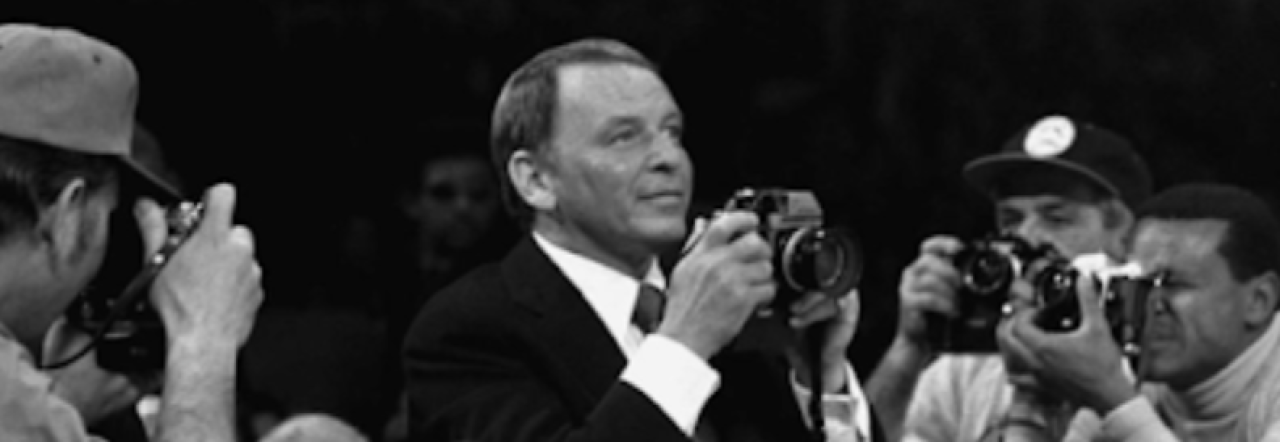
“Sinatra Bellino & Pacino” is a famous cultural and culinary trio championed by New York Italian cookbook author Daniel Bellino-Zwicke. His work and cookbooks celebrate iconic Italian-Americans and the legendary New York City restaurants where icons like Frank Sinatra and Al Pacino frequented or loved the food. [1, 2, 3, 4]
The trio connects in a few specific ways through Bellino’s culinary writing:
Sinatra Sauce & The Godfather: Bellino’s writings (including The Sinatra Sauce Cookbook and Sunday Sauce) draw deep ties between Frank Sinatra’s love for Italian-American food and Al Pacino’s most iconic on-screen meals. [1, 2, 3]
The Clemenza Method: The “Sunday Sauce” (or Sunday Gravy) recipes are heavily inspired by Peter Clemenza’s famous line in The Godfather teaching Michael Corleone (Al Pacino) how to make a classic red sauce. [1, 2, 3]
Greenwich Village Institutions: Bellino’s books explore the favorite stomping grounds of Pacino and Sinatra, highlighting historic New York Italian locations. [1, 2, 3]
You can find the specific recipes, histories, and connections shared in this trio of Italian-American culture through Bellino-Zwicke’s book collection on Amazon.
SICILIANS – Many became fisherman, fish sellers, farmers, or produce sellers.
Sicilians built the Banana * Lemon trade in New York City.
NEAPOLITANS living more in cities, became Barbers, Construction Workers,
Tailors, Shoemakers. Neapolitan stone masons built the subways and bridges across North Eastern America. Neapolitan tailors opened shops. Neapolitan pizzaiolo opened pizzerias and created the pizza business of America.
All Italians, whether Sicilian or Neapolitan were Catholic.
SICILIANS versus NEAPOLITANS in AMERICA
Italian Americans of Sicilian and Neapolitan descent represent the two largest regional groups that shaped the Italian diaspora in the United States between 1880 and 1920. Both originate from Southern Italy, but they possess fiercely distinct cultural identities, dialects, and traditions (a concept known as campanilismo).[1,2,3,4]
Key Cultural & Historical Differences
Origins & Ancestry: Sicilians come from the Mediterranean’s largest island, which was historically conquered by the Greeks, Arabs, and Normans. Neapolitans come from the bustling, mainland coastal city of Naples and the surrounding Campania region, which was dominated by Spanish and French rules. [1, 2, 3, 4, 5]
Languages: Sicilian (siculu) and Neapolitan (napulitano) are recognized as distinct regional languages rather than mere dialects of standard Italian. They have entirely different vocabularies, pronunciations, and historical roots. [1, 2, 3]
Cuisine: The culinary staples differ significantly based on local agriculture. Neapolitan food is famous for its tomato-heavy dishes, mozzarella, and as the birthplace of pizza. Sicilian cuisine relies heavily on eggplants, citrus, ricotta, seafood, and Arabic-influenced ingredients (like pine nuts and raisins). [1, 2, 3, 4, 5]
The Italian American Experience
When these groups immigrated, “Italy” as a unified country was relatively new (unified in 1861). In the United States, immigrants did not identify as “Italian”; rather, they identified as Napolitani or Siciliani. Little Italy neighborhoods in New York (like Mulberry Street in Manhattan or Bensonhurst in Brooklyn) were initially segregated block by block based on these hometowns. Over generations in America, these distinct cultures blended to form the broader Italian American identity, though many families still proudly trace their specific regional heritage.
Frank Sinatra never formally starred in a Broadway musical, though his legendary solo career was launched by a historic 1942 stint at the Paramount Theatre on Broadway. “Bellino” refers to Daniel Bellino-Zwicke, a New York Italian-American author and chef who writes about Sinatra’s favorite meals, history, and the singers from their shared ancestral Sicilian town. [1,2, 3, 4, 5]
The Connection
Shared Ancestry: Both Frank Sinatra’s father (Martino Severino Sinatra) and Daniel Bellino-Zwicke’s grandparents hail from the small Sicilian town of Lercara Friddi. [1, 2]
The “Sinatra Sauce” Books: Daniel Bellino-Zwicke has written several books about Sinatra, his beloved Italian-American food, and New York culture, most notably Sinatra Sauce: Music, Meatballs & Merriment. [1, 2]
Broadway & New York Ties: Bellino’s works often center around historic, Sinatra-frequented NYC Theater District spots like Patsy’s Italian Restaurant on West 56th Street.